
As an Amazon Associate I earn from qualifying purchases and sometimes recommend products from other sellers at no extra cost you. For more details see my disclosure policy and privacy policy.
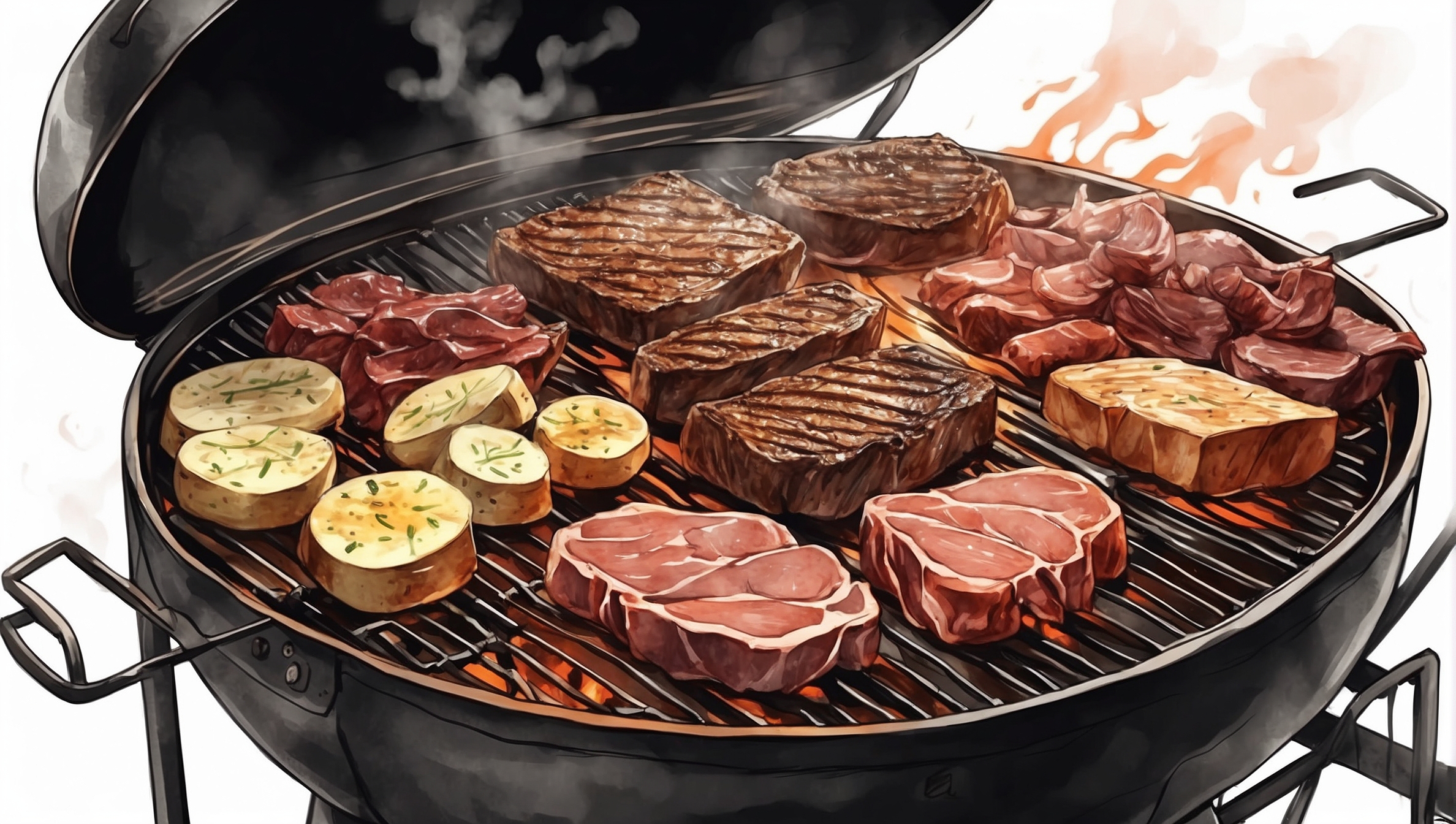
Welcome to the world of outdoor cooking, where the sizzle of a steak on a hot grill is music to your ears and the smoky aroma of barbecued chicken can make your mouth water in anticipation. If you’re an enthusiast like us, you know that grilling isn’t just about throwing some food on a hot surface. It’s an art form, with techniques and methods that can dramatically affect the end result. One such critical decision every griller faces is choosing between direct and indirect grilling.
Understanding these two popular outdoor cooking methods can be a game-changer for your grilling experience. Direct grilling involves placing food directly over the heat source, perfect for searing steaks or burgers. On the other hand, indirect grilling uses reflected heat to cook larger or tougher cuts slowly, similar to oven roasting but with that irresistible smoky flavor only achievable through barbecue. Both methods have their unique advantages and are suited for different types of dishes.
As we delve into this topic further, we’ll uncover when it’s best to use direct grilling versus when indirect might be more appropriate. We’ll also share some expert tips on how you can master both techniques to elevate your outdoor feasts even further. So whether you’re planning a weekend barbecue party or simply looking forward to trying something new on your next grill night, stay tuned as we demystify direct vs indirect grilling in our upcoming section: “What is Direct Grilling?”
What is Direct Grilling?
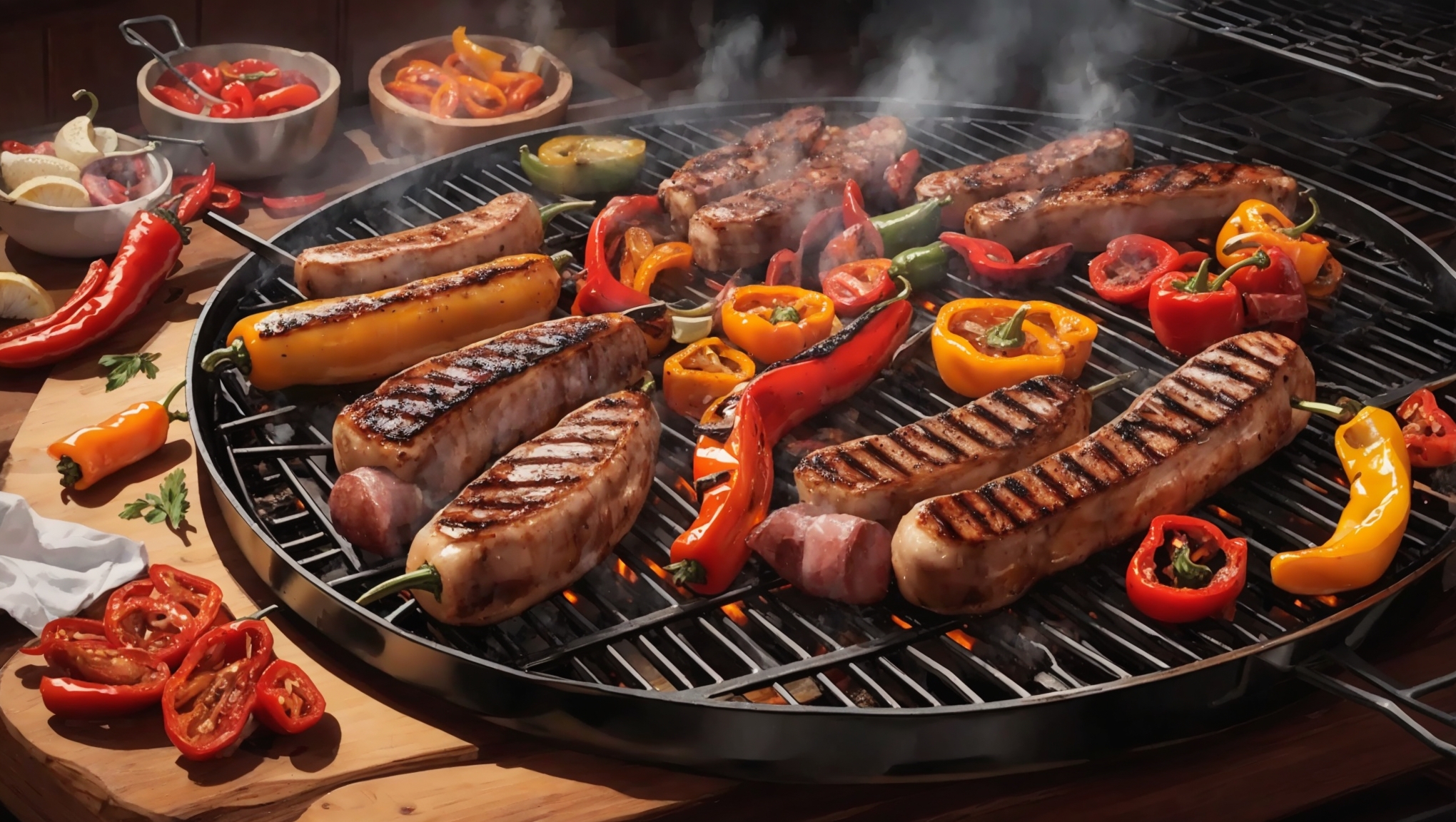
Direct grilling, as the name suggests, is a cooking technique where food is placed directly over the heat source. This method of grilling exposes your food to intense heat, often exceeding 500 degrees Fahrenheit. It’s akin to searing a steak on a hot skillet or frying an egg on a sizzling pan – but with one key difference: it’s all happening outdoors on your grill.
The beauty of direct grilling lies in its simplicity and speed. Foods that are best suited for this method include steaks, burgers, chicken breasts, and vegetables. These foods typically have a relatively short cooking time and benefit from the high-heat exposure that direct grilling offers. For instance, when you place a juicy steak directly over the flames, it quickly develops a flavorful crust while retaining its tender interior.
Direct grilling also imparts that distinctive charred flavor we associate with barbecued food. The intense heat causes the sugars in the food to caramelize and proteins to undergo Maillard reaction – both processes contribute significantly to enhancing flavors and creating complex taste profiles. So next time you bite into that perfectly grilled burger with its smoky aroma and rich flavors dancing on your palate, remember it’s all thanks to direct grilling!
But don’t be fooled by its apparent simplicity; mastering direct grilling requires understanding how different foods react to high heat and how to control those reactions for optimal results.
How to Set Up Your Grill for Direct Grilling
Setting up your grill for direct grilling might seem like an intimidating task at first glance but fear not! With some basic knowledge about controlling heat levels during this process can make all the difference between success and failure.
- First things first: clean your grill grate thoroughly before each use.
- Once your grill is clean, preheat it for about 10-15 minutes with the lid closed.
- Next, arrange your charcoal or burners to create a high heat zone on one side of the grill.
- Place your food items directly over the high heat zone you’ve created.
Controlling heat levels during direct grilling can be tricky but not impossible. If you notice flare-ups or if your food starts burning too quickly, move it away from the hottest part of the grill until things calm down again.
What is Indirect Grilling?
Indirect grilling is a clever technique that transforms your grill into an outdoor oven. It’s perfect for cooking larger cuts of meat or whole poultry that need time to cook thoroughly without burning on the outside. Instead of placing food directly over the heat source, you set it adjacent to the fire. This method allows heat to circulate around the food, cooking it evenly and slowly
How to Set Up Your Grill for Indirect Grilling
Setting up your grill for indirect grilling is pretty straightforward. Start by preheating your grill with all burners on high. Once it’s hot enough – usually around 450°F (230°C) – turn off half of the burners. The side with the burners turned off is where you’ll place your food.
- Maintaining a consistent temperature can be tricky but don’t worry; I’ve got some tips for you!
- If using a gas grill, adjust the lit burner(s) as needed to maintain desired temperature – usually between 250°F (120°C) and 350°F (175°C).
- For charcoal grills, add briquettes every hour or so to maintain constant heat.
Remember not to lift the lid too often; each peek will drop the temperature significantly! Use an oven thermometer if your grill doesn’t have one built-in – trust me on this one; it’s a game-changer!
Differences Between Direct and Indirect Grilling
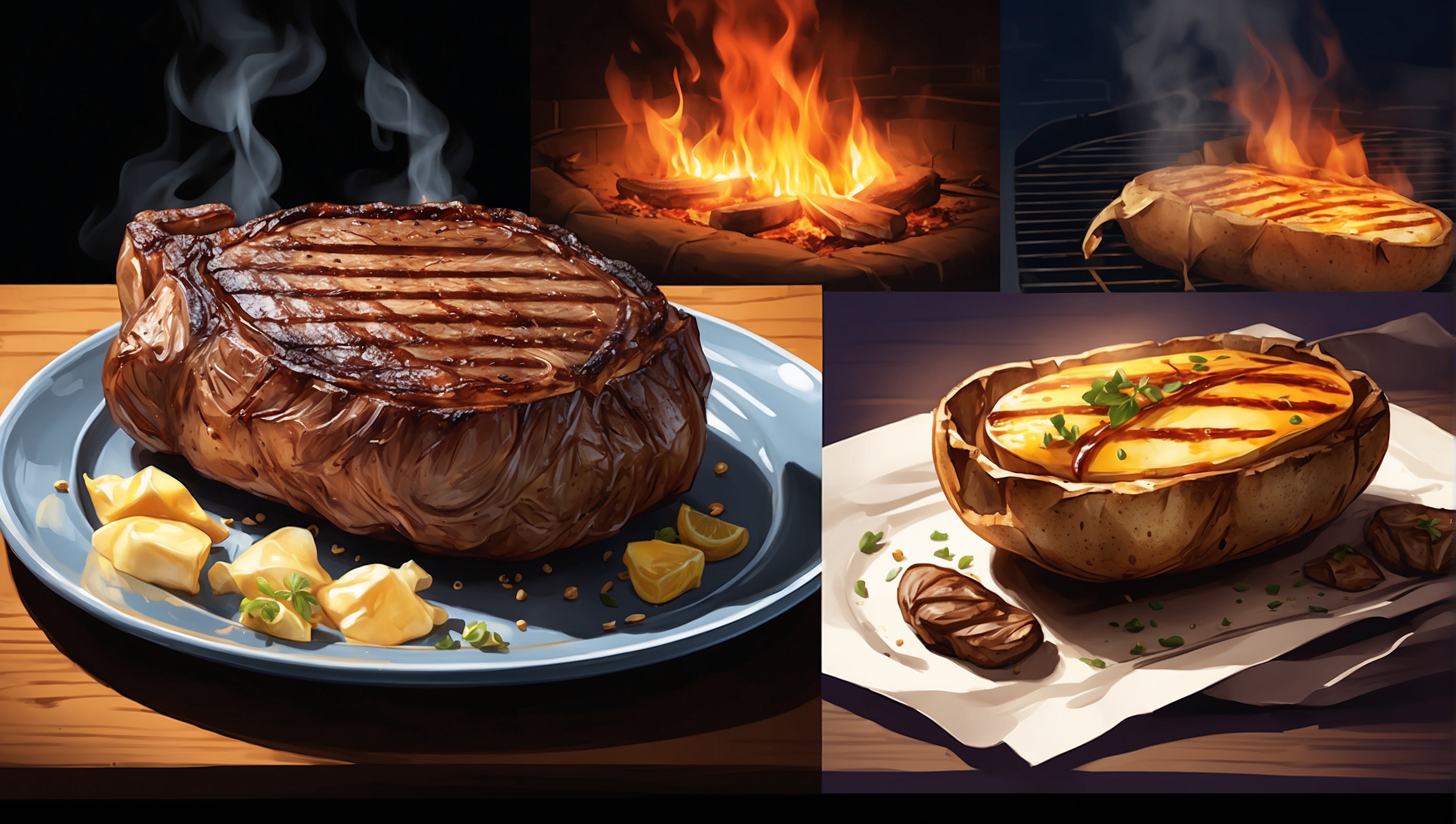
When it comes to outdoor cooking, understanding the differences between direct and indirect grilling is key. Direct grilling involves placing your food directly over the heat source. It’s a fast, high-heat method that’s perfect for searing steaks or grilling burgers. On the other hand, indirect grilling means your food isn’t directly above the flames. Instead, it cooks via convection heat in a closed grill – think of it as an outdoor oven! This slower cooking method is ideal for larger cuts of meat like roasts or whole chickens.
| Grilling Method | Temperature Range | Cooking Time | Suitable Foods |
|---|---|---|---|
| Direct Grilling | 450°F to 650°F (232°C to 343°C) | Faster (within 20 minutes) | Thin cuts of meat such as chicken breasts or fish fillets |
| Indirect Grilling | Around 350°F (177°C) | Slower (takes hours) | Larger cuts like roasts or whole chickens |
When Should You Use Direct or Indirect Grills?
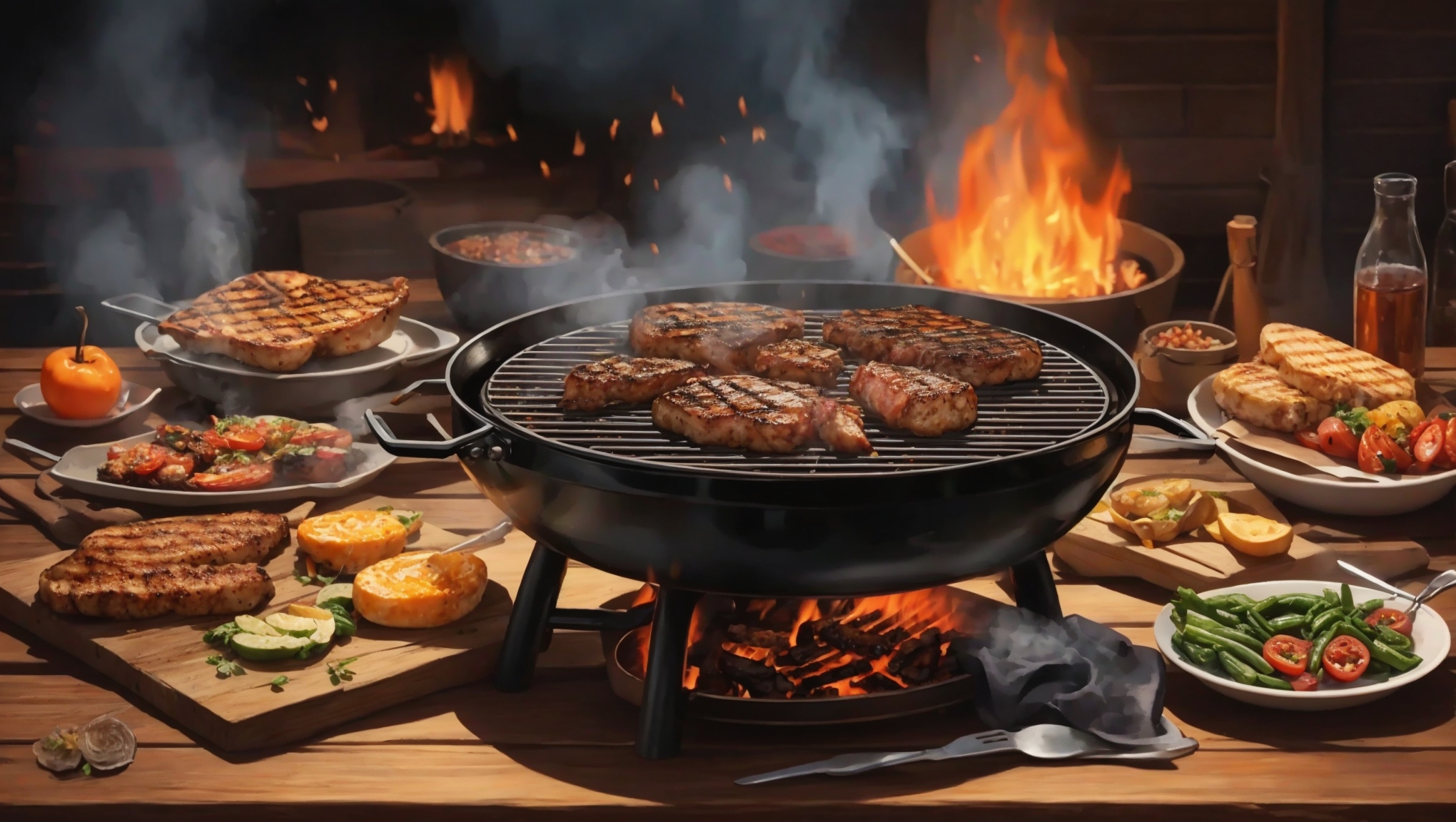
When it comes to grilling, the choice between direct and indirect heat can make a world of difference. Direct grilling is perfect when you’re dealing with thin, tender cuts of meat or vegetables that cook quickly. Think juicy burgers, succulent shrimp skewers, or crisp asparagus spears.
On the other hand, indirect grilling shines when you have thicker cuts of meat or tougher veggies that need more time to become tender. Picture slow-cooked ribs falling off the bone, a whole chicken roasting to perfection, or thick slices of eggplant softening just right.
The thickness and density of your food play a significant role in deciding which method to use. For instance, a 1-inch steak would benefit from direct grilling for that beautiful sear while still maintaining medium-rare doneness inside. But if you’ve got a 3-inch pork roast? That calls for indirect grilling so it cooks evenly without burning on the outside.
Tips For Switching Between Direct And Indirect Heat While Cooking
Now let’s talk about how to switch between these two methods during one single grilling session – because yes, it’s possible and sometimes even recommended! Let’s say you’re making BBQ chicken thighs – start them off on direct heat for that irresistible charred skin then move them over to indirect heat so they can finish cooking without drying out.
- The key is to set up your grill for both methods at the start.
- For a charcoal grill, pile the coals on one side of the grill to create a hot zone (direct heat) and leave the other side empty for a cooler zone (indirect heat).
- If you’re using a gas grill, just turn on half of the burners.
Once your food has achieved that appetizing sear from direct grilling, simply move it over to the indirect heat side. Close the lid and let your grill work its magic!
How Do Direct and Indirect Grilling Affect Flavor?
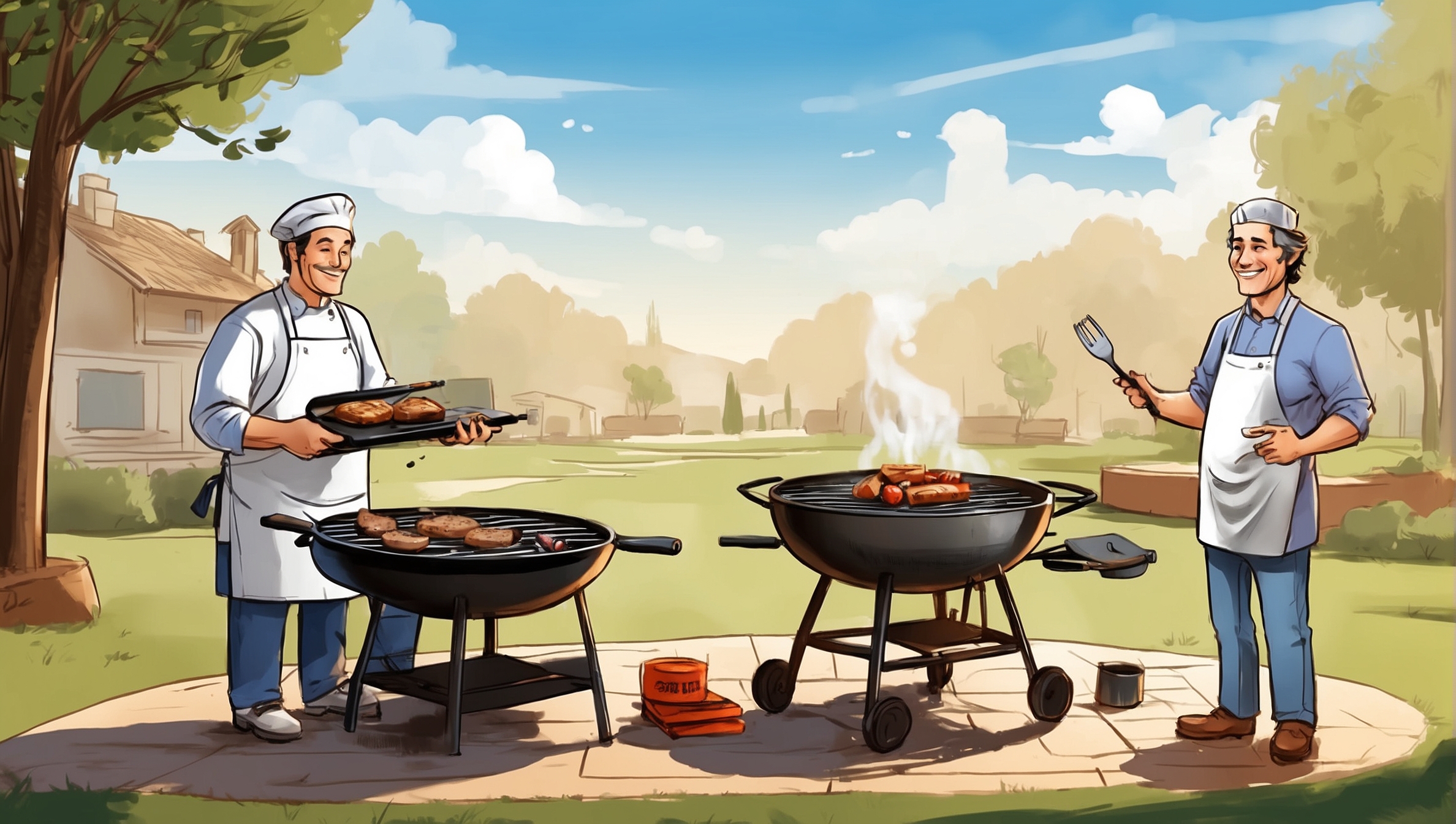
When it comes to outdoor cooking, the method you choose can have a significant impact on the flavor of your food. Direct grilling involves placing your food directly over the heat source. This high-heat method sears the surface of your food, creating a flavorful crust that locks in juices and enhances taste. It’s perfect for quick-cooking foods like steaks, burgers, or vegetables.
On the other hand, indirect grilling is a slower process where food is placed away from the heat source. This allows for even cooking without burning or charring – ideal for larger cuts of meat or poultry that need time to cook through thoroughly. The indirect method often results in a more subtle flavor profile as it allows for natural flavors to shine through without being overshadowed by charred elements.
Impact on Different Types of Foods
Now let’s talk about how these methods affect different types of foods. With direct grilling, thin cuts of meat such as steaks or chops develop a deliciously caramelized exterior while remaining juicy inside – thanks to Maillard reaction (a chemical reaction between amino acids and reducing sugars). Seafood also benefits from this method as it cooks quickly and retains its delicate flavors.
Indirect grilling works wonders with larger cuts like roasts or whole chickens which require longer cooking times at lower temperatures to ensure they’re cooked evenly throughout. Vegetables too love indirect heat! They slowly roast becoming tender and infused with smoky goodness without getting burnt.
But remember, no matter what you’re grilling, understanding these two methods will help you decide which one best suits your dish – ultimately leading towards an unforgettable feast!
Common Mistakes to Avoid When Using Direct or Indirect Grilling
Grilling is an art, and like any other form of art, it requires practice and understanding. One common mistake that many grill enthusiasts make is not knowing the difference between direct and indirect grilling. Direct grilling involves cooking food directly over the heat source, which is perfect for small, thin cuts of meat that cook quickly. On the other hand, indirect grilling means cooking away from the heat source, ideal for larger cuts of meat that need time to cook thoroughly without getting burnt.
Another frequent error is not preheating the grill adequately before starting to cook. Preheating your grill ensures even cooking and helps achieve those desirable grill marks on your food. According to a survey by Hearth, Patio & Barbecue Association (HPBA), about 64% of adults in America own a grill or smoker. However, not all these owners are aware that you should preheat your grill for at least 10-15 minutes before you start cooking.
Tips on how to avoid these mistakes for optimal results
Now let’s talk about some tips on how to avoid these common mistakes for optimal results.
- Always remember the rule – “hot goes fast; cool goes slow.”
- Preheat! As mentioned earlier, this step cannot be skipped if you want evenly cooked food with beautiful sear marks.
- Controlling flare-ups during direct grilling which can cause charring and give a bitter taste to your food.
Lastly, don’t forget to clean your grill after each use. According to a study by HPBA, 70% of grill owners do not properly clean their grills. A dirty grill can cause uneven heating and food sticking to the grates.
For more information on direct vs indirect grilling methods check out this article, or visit Nexgrill’s blog post. For an in-depth guide on understanding the difference between direct heat and indirect heat refer here. For more tips and tricks on grilling, check out Taste of Home’s article or visit Weber Seasoning’s guide.
Now that we’ve covered some common mistakes and how to avoid them, let’s move on to understanding more about direct and indirect grilling methods in detail.
Conclusion
We’ve covered a lot in this article, from the nuances of direct vs. indirect grilling to the best tools for each method. But remember, it’s not just about following recipes or using fancy gadgets – it’s about having fun and creating delicious meals that you and your loved ones can enjoy.
Key Takeaway
The world of outdoor cooking is vast and exciting. Direct vs. indirect grilling are two techniques that offer different flavors and textures. By understanding these methods and when to use them, you can elevate your grilling game and impress your friends at your next barbecue party! So why wait? Fire up that grill and start experimenting today!
Frequently Asked Questions about Direct vs. indirect grilling
What is direct grilling?
Direct grilling is when the food is placed directly over the heat source. This allows the food to cook quickly from both the top and bottom at the same time using high heat. Direct grilling is best for thinner cuts of meat like steaks, chops, or chicken breasts.
What is indirect grilling?
Indirect grilling is when the food is placed to the side of the heat source. The heat circulates around the food from the sides and top, but not directly from the bottom. This allows for slower, more gentle cooking using lower heat. Indirect grilling is best for thicker cuts of meat like whole chickens, roasts, ribs, or whole fish.
What types of foods are best for direct grilling?
Thinner cuts of meat that cook quickly over high heat, such as steaks, chops, chicken breasts, fish fillets or shrimp, are ideal for direct grilling. Vegetables like bell peppers, zucchini, or mushrooms also cook well with the direct heat method.
What types of foods are best for indirect grilling?
Thicker cuts of meat that require slower, lower-heat cooking are suited for indirect grilling. This includes whole chickens, pork shoulders or ribs, beef roasts, turkeys, whole fish. Foods that could dry out or burn easily with direct high heat exposure also do better with the indirect method.
How long does direct grilling usually take?
Direct grilling over high heat cooks food relatively quickly, usually within 5-15 minutes depending on the thickness and size of the item. Thinner cuts like steaks, chops or chicken breasts may only need 2-4 minutes per side over direct heat.
How long does indirect grilling usually take?
Indirect grilling takes longer than direct grilling, usually 30 minutes to a few hours depending on the size and cut of meat. Large cuts like whole chickens or pork shoulders could take 1-3 hours, while thinner cuts like pork chops or steaks may only need 20-30 minutes using indirect heat.
What is the best temperature for direct grilling?
The ideal temperature range for direct grilling is medium-high to high heat, around 400-600°F. This provides intense direct heat to quickly sear the outside of foods while leaving the inside slightly less cooked. Any lower and the food may steam instead of grill.
What is the best temperature for indirect grilling?
The best temperature range for indirect grilling is lower than direct grilling – about 300-400°F. This allows slower, gentler cooking of thicker cuts of meat without burning the exterior. Temperatures below 300°F risk not cooking foods thoroughly enough.
What are the benefits of direct grilling?
Direct grilling provides intense heat to quickly caramelize the exterior of foods, enhancing flavor. It’s a fast cooking method best for thin cuts that don’t require long cooking times. The open flames also add smoky grill marks and flavors.
What are the benefits of indirect grilling?
Indirect grilling’s slower, gentler heat makes it suitable for thicker cuts that need low and slow cooking to become tender. It prevents foods from drying out or burning on the outside before the inside finishes. The method also works well for items that need constant low heat, like roasts.


