As an Amazon Associate I earn from qualifying purchases and sometimes recommend products from other sellers at no extra cost you. For more details see my disclosure policy and privacy policy.
Summer BBQ food safety is crucial for preventing foodborne illnesses and ensuring a delightful outdoor grilling experience. Neglecting proper food handling practices can lead to serious health risks. This article covers seven essential tips to help you grill with confidence and serve safe, delicious meals.
From selecting the right cooking temperatures to avoiding cross-contamination, we’ll guide you through the key steps to maintain food safety at your summer BBQ. By following these simple guidelines, you can enjoy a worry-free gathering with family and friends, savoring the flavors of the season without compromising your well-being.
Choose the Right Cooking Temperature for Different Meats
As summer grilling season approaches, it’s crucial to prioritize food safety when cooking meats. Failing to cook meats to the proper internal temperature can lead to foodborne illnesses, putting your health and that of your loved ones at risk. To ensure a safe and delightful summer barbecue, follow these essential guidelines.
Recommended Internal Temperatures
Here’s a handy chart with the recommended internal temperatures for various meats:
- Beef, Pork, Lamb, and Veal (steaks, roasts, and chops): 145°F (62.8°C) with a 3-minute rest time
- Ground Meats (beef, pork, lamb, and veal): 160°F (71.1°C)
- Poultry (chicken and turkey): 165°F (73.9°C)
Using a Reliable Meat Thermometer
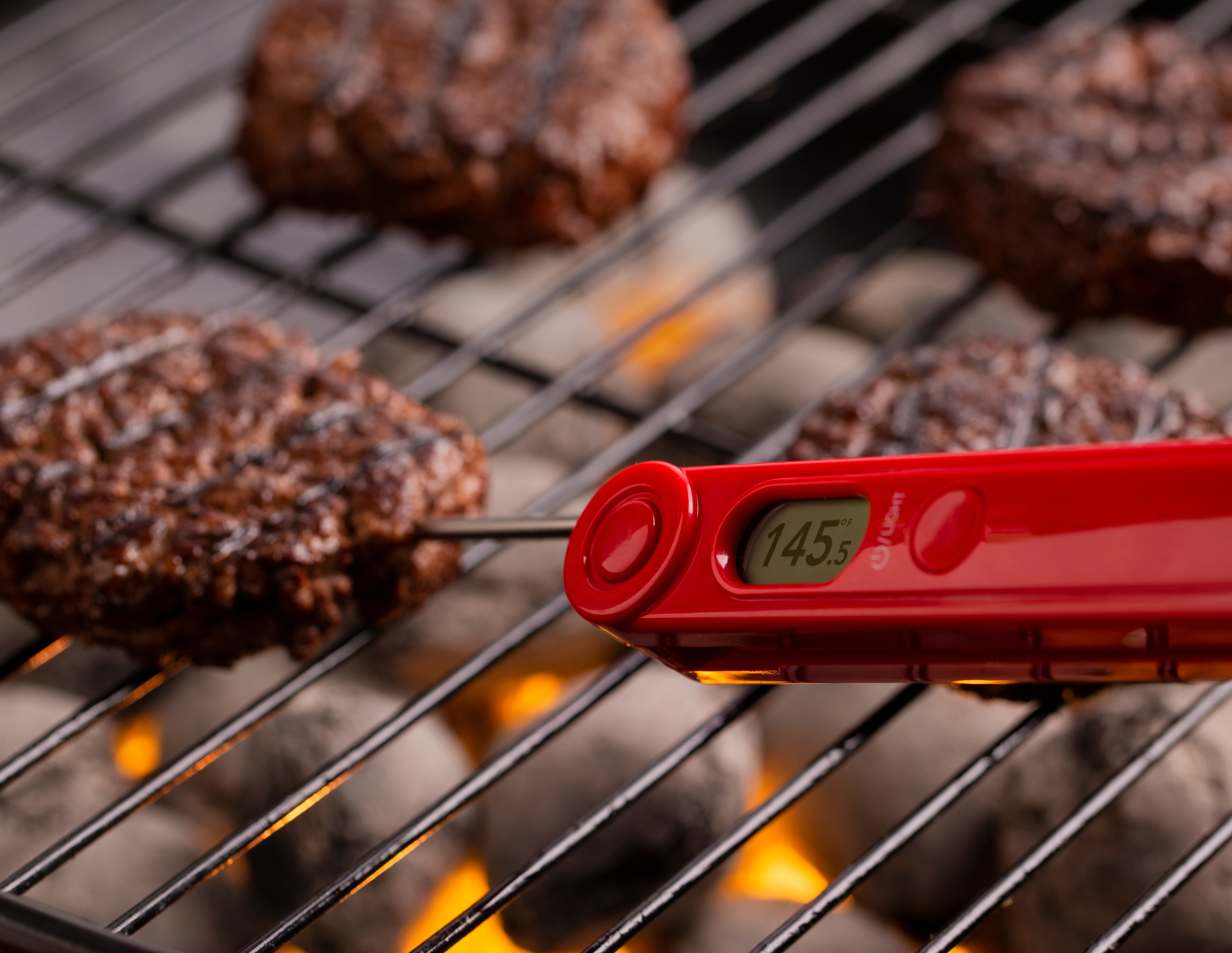
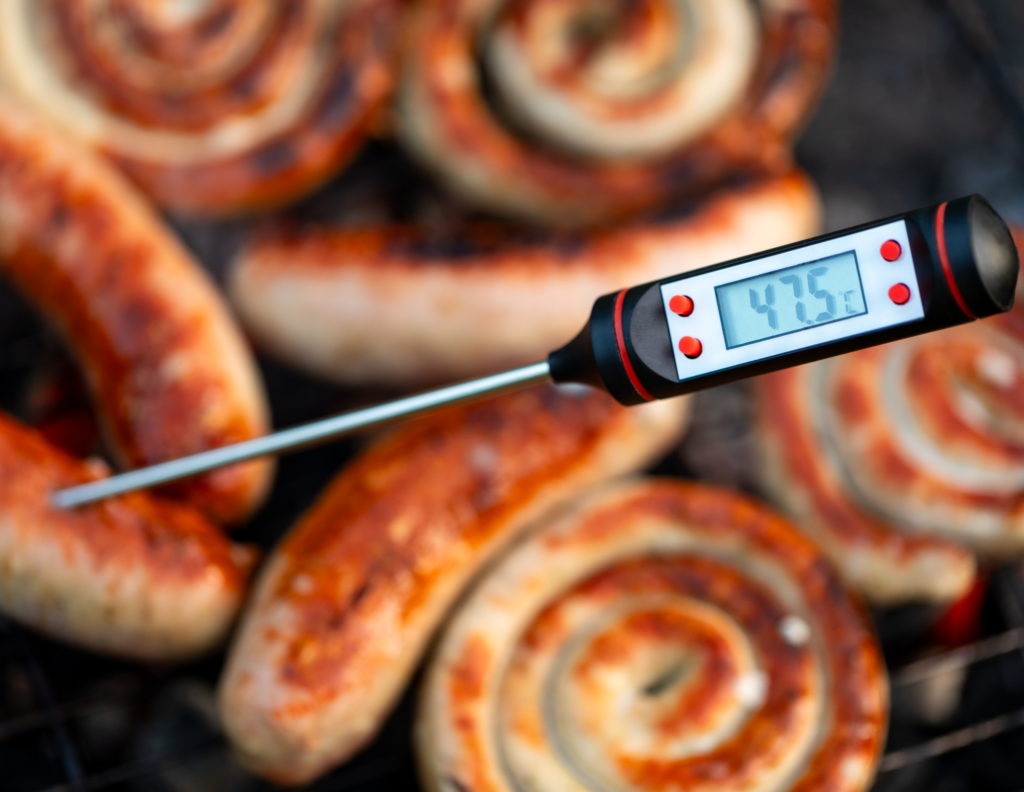
To ensure accurate temperature readings, invest in a reliable meat thermometer. These safety tools take the guesswork out of grilling and help prevent foodborne outbreaks. Insert the thermometer into the thickest part of the meat, away from bone, fat, or gristle, for the most accurate reading.
Remember, food safety should be your top priority when grilling this summer. By cooking meats to the proper internal temperature and using a reliable meat thermometer, you can enjoy a delicious and safe summer cookout with your loved ones.
Prevent Cross-Contamination: Separate Raw and Cooked Foods
What is Cross-Contamination?
Cross-contamination occurs when harmful bacteria from raw foods like meat, poultry, or seafood get onto ready-to-eat foods. This can cause foodborne illnesses like Salmonella or E. coli. To avoid this, it’s crucial to keep raw and cooked foods separate during grilling and food preparation.
Tips for Keeping Raw and Cooked Foods Separate
- Use separate cutting boards – one for raw meats and another for ready-to-eat foods like vegetables.
- Never place cooked foods back on the same plate that held raw meats.
- Use different utensils for handling raw and cooked foods.
- Wash your hands thoroughly with soap and water before and after handling raw meats.
- Marinate foods in the refrigerator, not on the counter. Don’t reuse marinade from raw meats on cooked foods.
By following these simple safety tips, you can enjoy a delicious summer barbecue without worrying about cross-contamination and foodborne illnesses.
Keep Cold Foods Cold and Hot Foods Hot
The Temperature Danger Zone
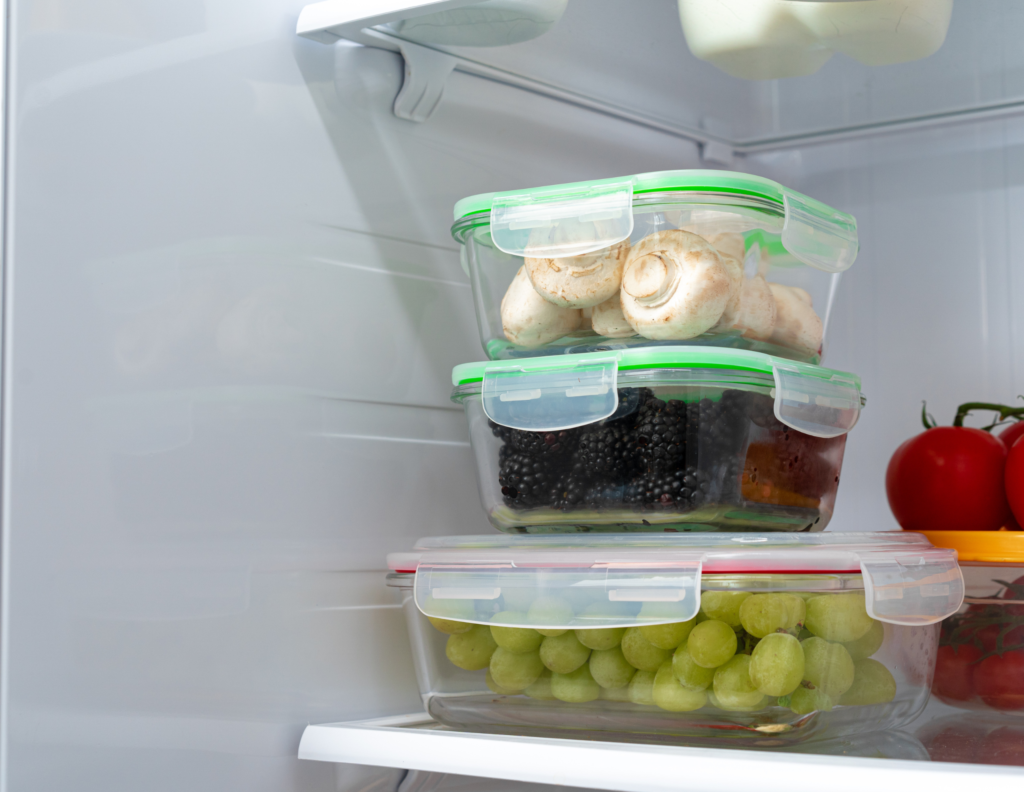
One of the most important food safety tips for summer grilling is to keep cold foods cold and hot foods hot. The temperature danger zone, between 40°F and 140°F, is where bacteria can multiply rapidly, potentially causing foodborne illnesses. To avoid this risk, it’s crucial to maintain safe temperatures for your meats, vegetables, and other perishable items.
Maintaining Safe Food Temperatures
For cold foods, use coolers with plenty of ice or frozen gel packs to keep them at or below 40°F. When transporting or storing hot foods, use insulated carriers or warming trays to maintain a temperature of 140°F or higher. It’s also wise to have a food thermometer on hand to check the internal temperature of poultry, meats, and other dishes.
Safe Food Storage Times
Even with proper temperature control, perishable foods should not be left out for extended periods. As a general rule, safety experts recommend discarding any perishable foods that have been at room temperature for more than two hours (or one hour if the outdoor temperature is above 90°F). By following these safety tips, you can enjoy a delicious and safe summer barbecue with your family and friends.
Clean and Sanitize Your Grill and Cooking Equipment
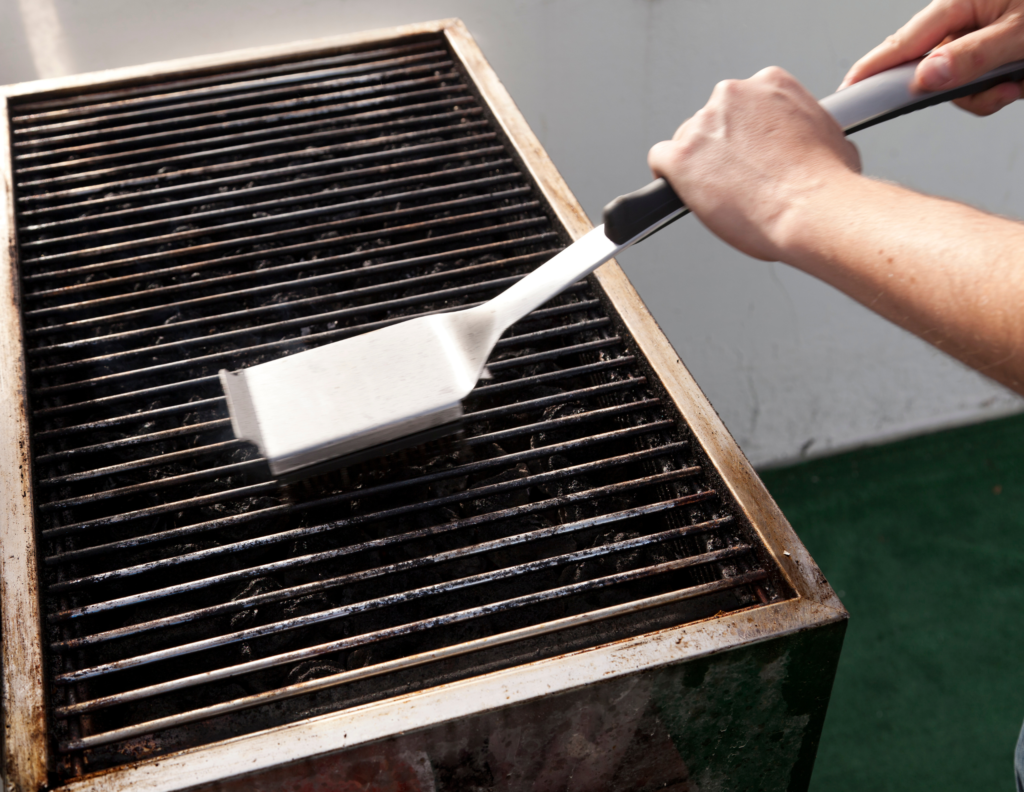
Starting with a clean grill is essential to prevent food contamination and foodborne illnesses. Before firing up the grill, give it a thorough cleaning to remove any leftover food debris, grease, or charred bits from previous grilling sessions.
Cleaning and Sanitizing Steps
- Begin by removing the grates and scrubbing them with a grill brush and soapy water. This will help dislodge any stuck-on food particles.
- Next, use a grill cleaner or a mixture of baking soda and water to scrub the inside of the grill, paying special attention to the burners and any hard-to-reach areas.
- Once the grill is clean, use a food-safe sanitizer to kill any remaining bacteria or germs.
Cleaning Schedule
For frequent grillers, it’s recommended to perform a deep clean after every few uses. If you only grill occasionally, a thorough cleaning before the start of the summer barbecue season should suffice.
Food Safety Tips for Fruits, Vegetables, and Salads
While the grill is the star of the show, it’s equally important to ensure the safety of your side dishes and accompaniments. Fruits, vegetables, and salads can harbor harmful bacteria if not properly washed and stored.
Produce Preparation
Always wash fruits and vegetables thoroughly under running water before grilling or serving. Use a vegetable brush to scrub away any dirt or debris, and remove any damaged or bruised parts.
Salad Safety
When preparing salads, be sure to wash all ingredients, including lettuce, tomatoes, and any other vegetables. Store salads in the refrigerator until ready to serve, and avoid leaving them out for more than two hours to prevent bacterial growth.
By following these simple food safety tips, you can enjoy a delicious and safe summer barbecue with family and friends.
Be Mindful of Food Allergies and Dietary Restrictions
Accommodating Common Food Allergies and Dietary Preferences
When planning your summer barbecue menu, it’s crucial to consider any food allergies or dietary restrictions your guests may have. Common food allergies include peanuts, tree nuts, eggs, milk, soy, wheat, fish, and shellfish. Dietary preferences like vegetarian, vegan, or gluten-free diets should also be taken into account. To accommodate these needs, offer a variety of grilled vegetables, plant-based proteins, and gluten-free options.

Preventing Cross-Contact Between Allergens
Cross-contact between allergens and other foods can be a serious health risk for those with food allergies. To prevent this, keep allergen-free foods separate from those containing allergens during preparation, cooking, and serving. Use separate utensils, cutting boards, and grilling surfaces for allergen-free items. Additionally, provide clear labels or signage to identify allergen-free dishes, ensuring your guests can make informed choices.
By being mindful of food allergies and dietary restrictions, you can create an inclusive and enjoyable summer barbecue experience for all your guests. Remember, a little care and safety go a long way in ensuring everyone can savor the delicious flavors of the season without compromising their health.
Handling Leftovers: Safe Storage and Reheating Practices
Refrigerating Leftovers Promptly
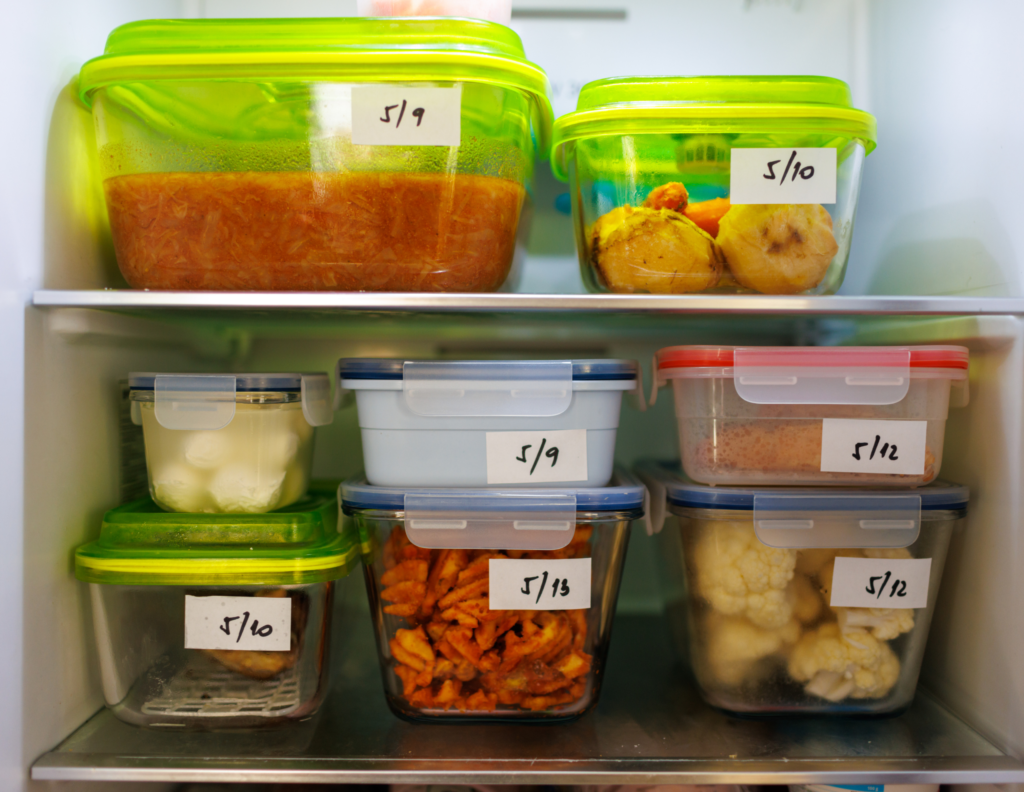
Leaving cooked food out for too long can lead to the growth of harmful bacteria, putting your health at risk. That’s why it’s crucial to refrigerate leftovers as soon as possible after a grilling session or summer barbecue. Safety experts recommend getting leftovers into the fridge within two hours of cooking to prevent foodborne illnesses.
Safe Storage Guidelines
Different types of leftovers have varying safe storage times. As a general rule, meat, poultry, and other perishable foods should be consumed within 3-4 days when refrigerated at 40°F or below. Vegetables and other non-perishable foods can typically last a bit longer, around 5-7 days. Always check for signs of spoilage, like an off odor or texture, before consuming leftovers.
Reheating for Safety
Simply reheating leftovers isn’t enough to kill any bacteria that may have grown during storage. For food safety, it’s crucial to reheat leftovers to an internal temperature of 165°F or higher. Use a food thermometer to ensure your leftovers reach this safe temperature before eating. Reheat sauces, soups, and gravies to a rolling boil for added safety.
Savor the Grilling Season with Confidence
As a grilling enthusiast, I know how crucial it is to prioritize food safety during outdoor barbecues. By following these seven essential tips, you can confidently fire up your grill and create mouthwatering meals without compromising anyone’s well-being. From mastering safe cooking temperatures to preventing cross-contamination, these guidelines empower you to host unforgettable summer BBQs.