As an Amazon Associate I earn from qualifying purchases and sometimes recommend products from other sellers at no extra cost you. For more details see my disclosure policy and privacy policy.
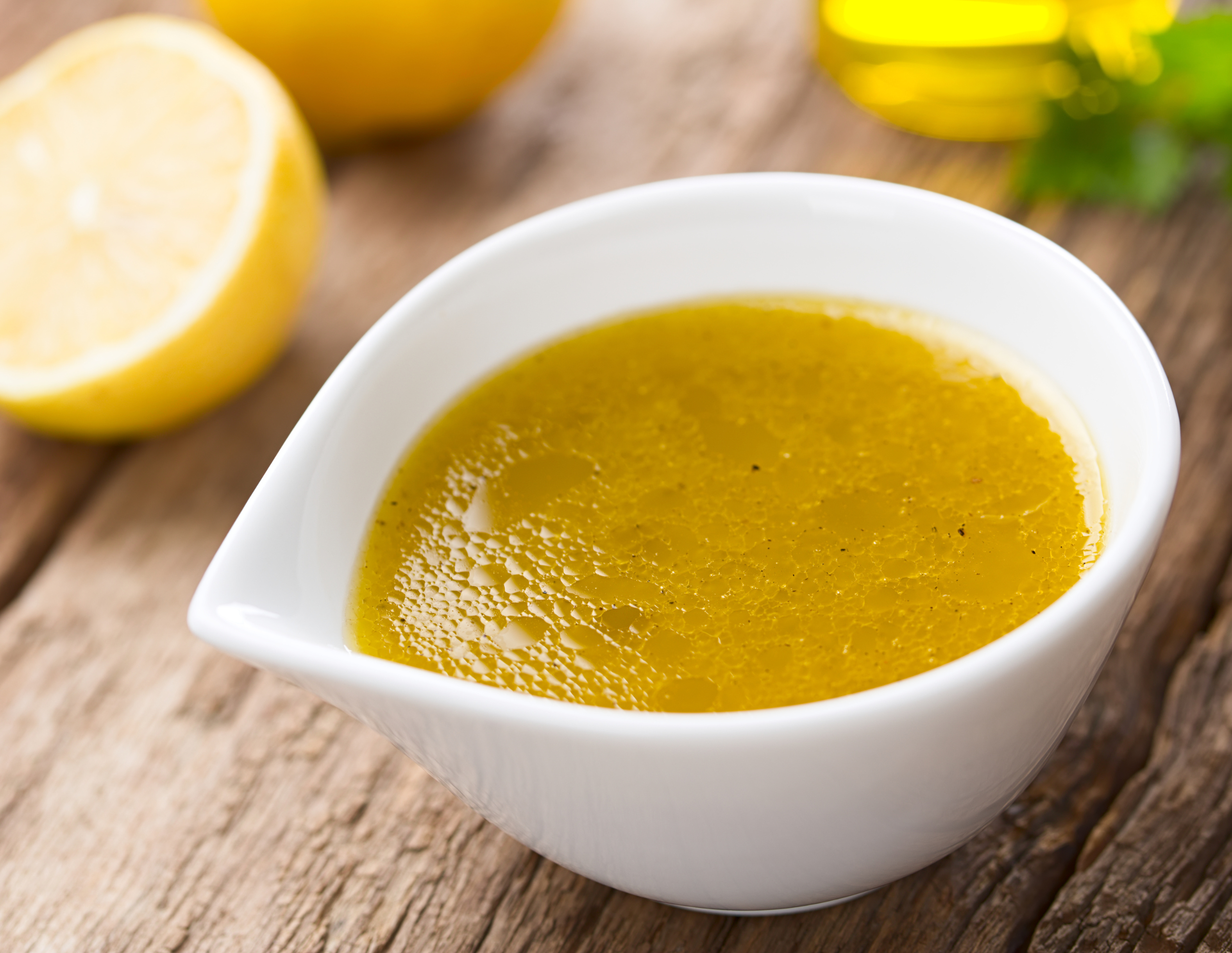
When it comes to refreshing and versatile flavors in the world of dressings, lemon vinaigrette stands out as a perennial favorite. It brings a zesty brightness to salads, grilled meats, and roasted vegetables, making it an essential staple for both home cooks and culinary enthusiasts. This detailed guide will take you through the steps to craft a delightful lemon vinaigrette from scratch, with plenty of tips to tweak the recipe to your own taste.
The Versatility of Lemon Vinaigrette
Lemon vinaigrette is renowned for more than just its tangy allure. It’s a light and healthy alternative to store-bought dressings, offering a burst of fresh flavor without the heaviness of creamy counterparts. Its versatility allows it to complement a wide array of dishes, from a simple leafy green salad to a marinated grilled chicken.
Health Benefits and Flavor Enhancement
The health-conscious will appreciate that lemon vinaigrette is often lower in calories and saturated fats compared to creamy dressings. The addition of lemon juice not only reduces the need for excess salt but also offers a source of vitamin C. In culinary terms, it brightens and enhances the natural flavors of ingredients it’s paired with.
The Essential Ingredients
To make a basic lemon vinaigrette, there are a handful of key ingredients you’ll always want to have on hand. Here’s what you’ll need:
Lemon Juice
The star of the show, lemon juice provides the key acidic component that defines a vinaigrette.
- Olive Oil: Choose a good quality extra-virgin olive oil for a rich and robust base.
- Garlic: A clove or two of garlic, minced finely or crushed, will infuse the dressing with its distinctive flavor.
- Mustard: A teaspoon of Dijon or whole grain mustard acts as an emulsifier, binding the oil and lemon juice together.
- Herbs: Fresh herbs like thyme, oregano, or basil add depth and aroma. However, dried herbs work in a pinch.
- Salt & Pepper: To season and balance the flavors, use a fine sea salt and freshly ground black pepper.
Step-by-Step Recipe Guide
Now, let’s get cooking. Making a delightful lemon vinaigrette at home is easier than you think.
1. The Basic Ratio
The classic vinaigrette ratio is 3 parts oil to 1 part acid, in this case, lemon juice. Start with ¼ cup of lemon juice and ¾ cup of olive oil. Adjust according to your taste preferences for acidity.
2. The Combining
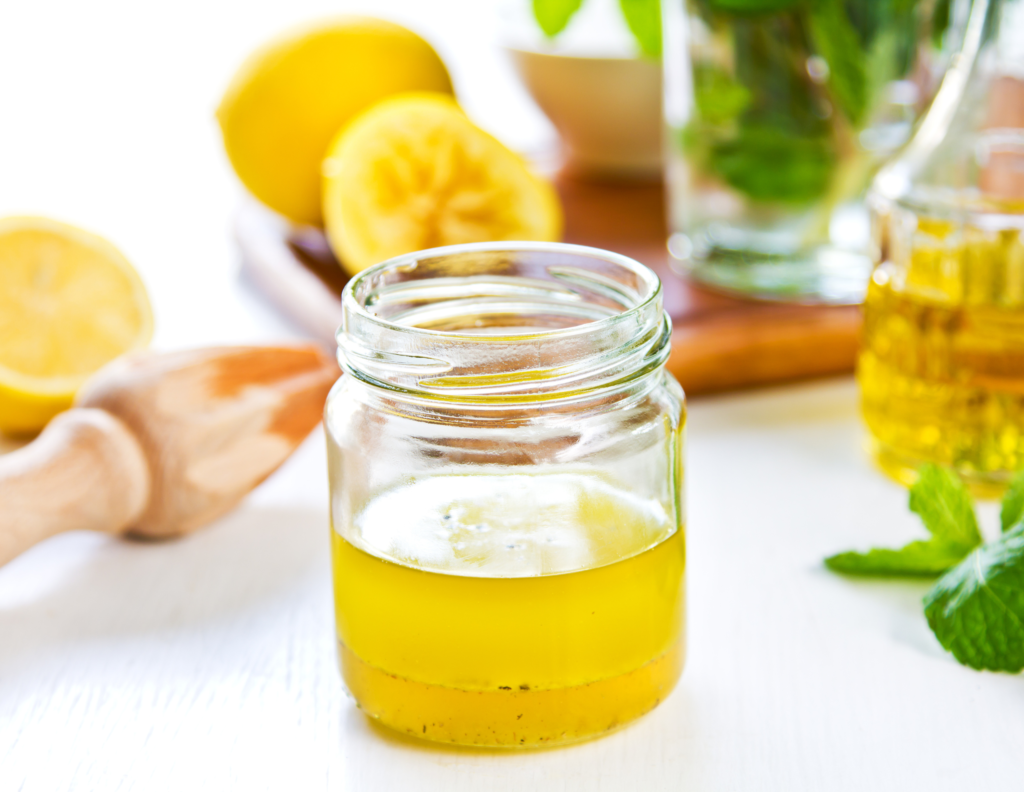
Whisk the lemon juice and mustard together in a bowl, then slowly drizzle in the olive oil while whisking vigorously to emulsify the mixture. This step is crucial for creating a creamy, unified texture.
3. Adding Flavor
Stir in the minced garlic and herbs, then season to taste with salt and pepper. Now’s the time to taste the dressing and adjust the acidity or seasoning to your liking.
Variations and Customizations
Once you’ve mastered the basic recipe, it’s time to play with variations. Here are a few customizations to consider:
Adding Honey
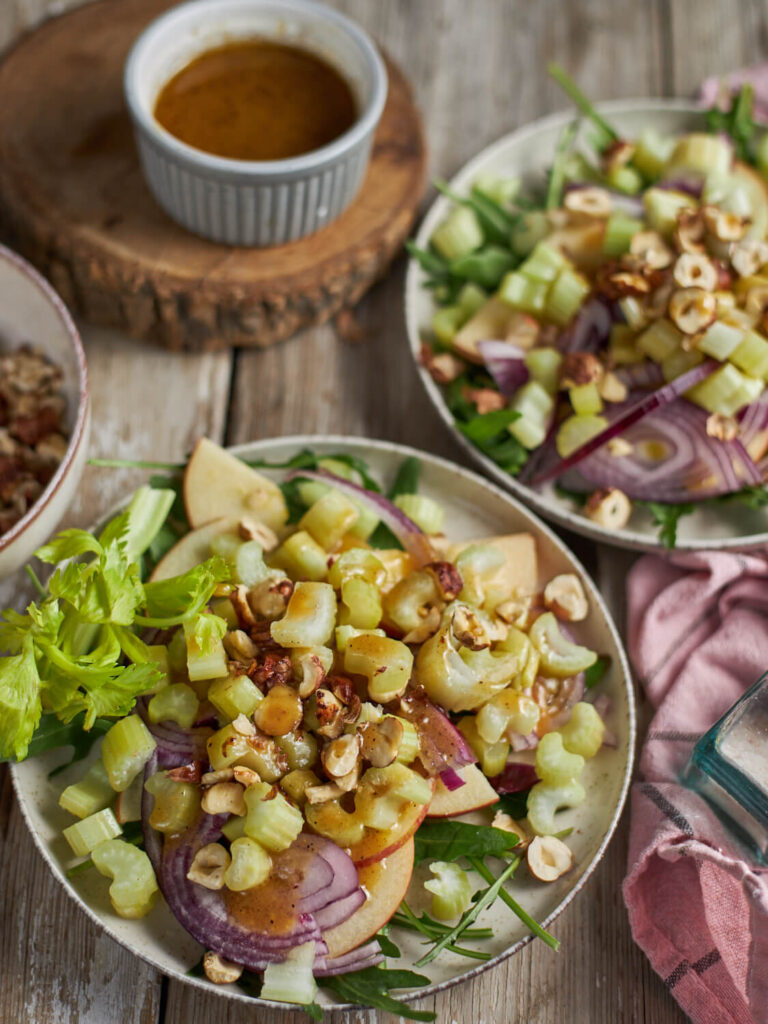
For those who prefer a touch of sweetness, whisk in a teaspoon of honey. This variation works exceptionally well with salads containing fruits like apples or berries.
Balsamic Vinegar Twist
Substitute a portion of the lemon juice with balsamic vinegar for a darker, sweeter version of the vinaigrette. It pairs perfectly with robust greens and salads that feature nuts and cheeses.
Herbs and Spices
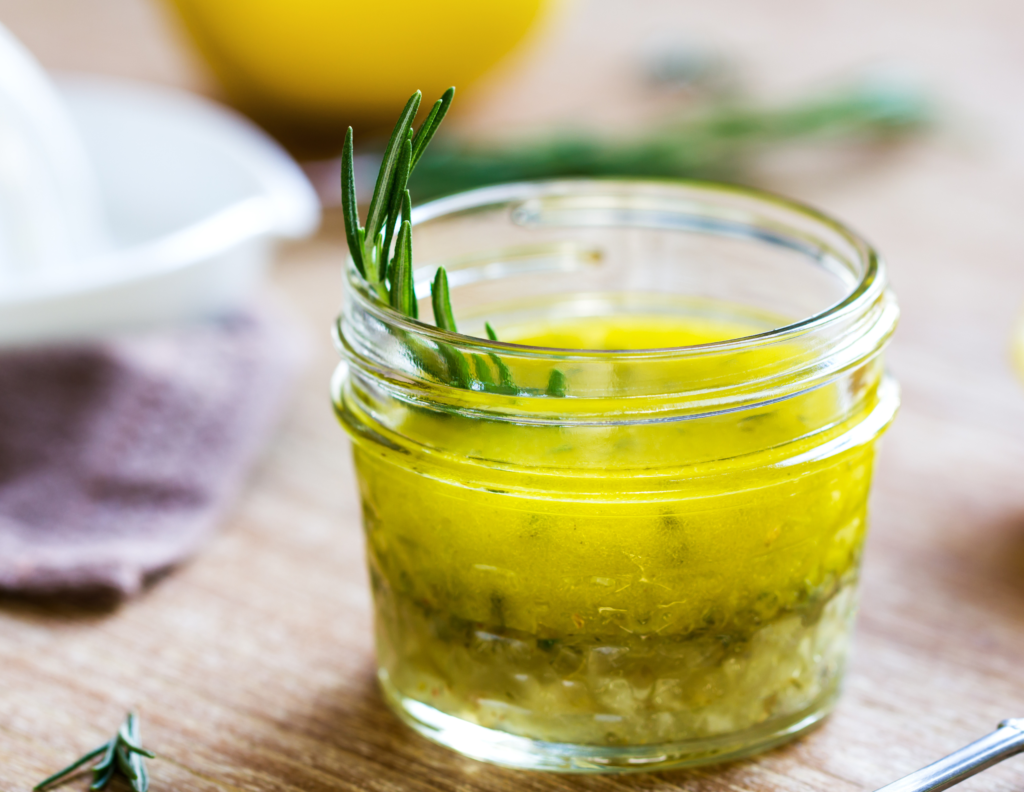
The possibilities are endless. Try infusing your olive oil with rosemary before using it in the dressing, or add a pinch of red pepper flakes for heat.
Pairing Suggestions
The right pairing can elevate your lemon vinaigrette experience. Here are some classic and unexpected matches:
Salads
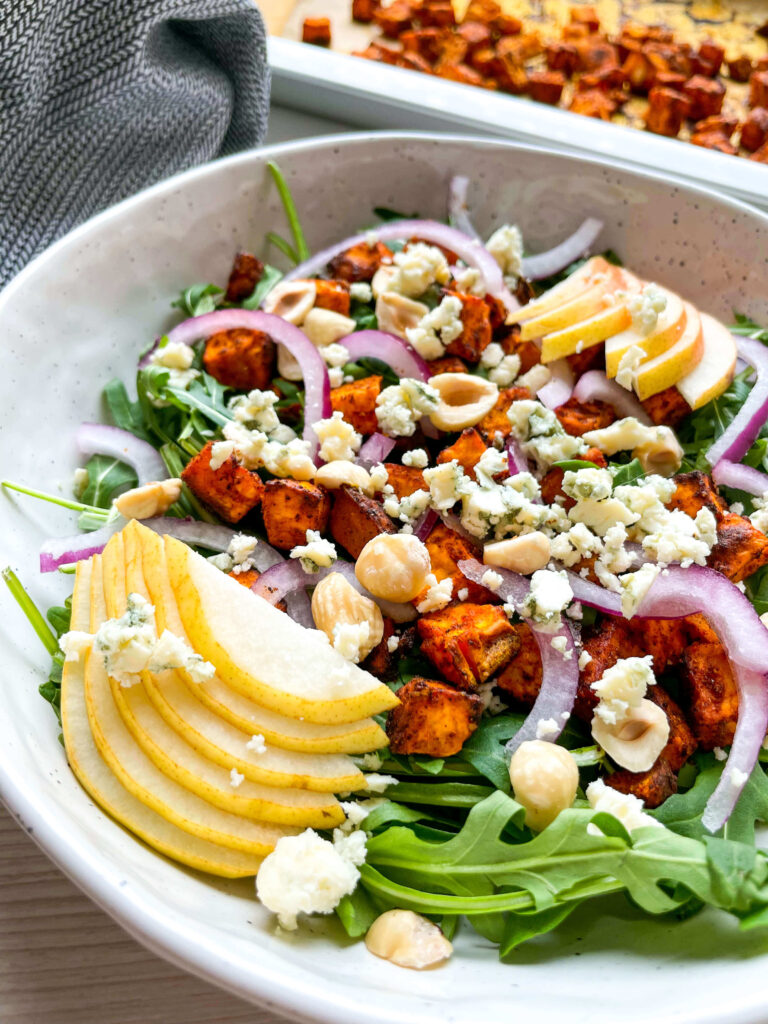
Leafy salads with a mixture of bitter and sweet greens, like a mesclun mix with arugula, are the ideal canvas for this dressing.

Proteins
Lemon vinaigrette is a spectacular marinade for fish. It also works wonders on grilled chicken, adding a juicy and tangy layer.
Vegetables
Roasted or grilled vegetables, from zucchini to asparagus, benefit from a light drizzle of lemon vinaigrette just before serving.
Conclusion
Making a homemade lemon vinaigrette is a simple yet rewarding way to infuse your dishes with bright, tangy flavors. Remember to taste as you go and personalize the dressing to suit your palate. Don’t be afraid to experiment – the joy of cooking is in the creativity it allows. Happy dressing!